
Ready to conquer Mount Kilimanjaro? Understanding Kilimanjaro trail conditions is key to a safe and rewarding Kilimanjaro climb. At Kilimanjaro Climbing, we’re an independent team passionate about guiding you to Africa’s highest peak with expertise, safety, and care. While climbing Mount Kilimanjaro is a non-technical “walk-up” hike, the real hurdles come from altitude, shifting weather, and diverse terrains. This detailed guide covers everything you need to know about Kilimanjaro hiking trails, from rainforest mud to summit scree, plus gear tips, route-specific challenges, and proven strategies to ensure your Kilimanjaro summit trek is a success. Whether you’re a first-timer or a seasoned hiker, we’ve got you covered for your Kilimanjaro climbing adventure.
What Are Kilimanjaro’s Trails Like?
The trails on climbing Kilimanjaro are well-trodden and maintained by the Kilimanjaro National Park Authority (KINAPA), making them generally straightforward to navigate. You’ll journey through five ecological zones—cultivated land, rainforest, heath and moorland, alpine desert, and arctic summit—each with distinct conditions that shape your Mount Kilimanjaro trek. Here’s what you’ll encounter:
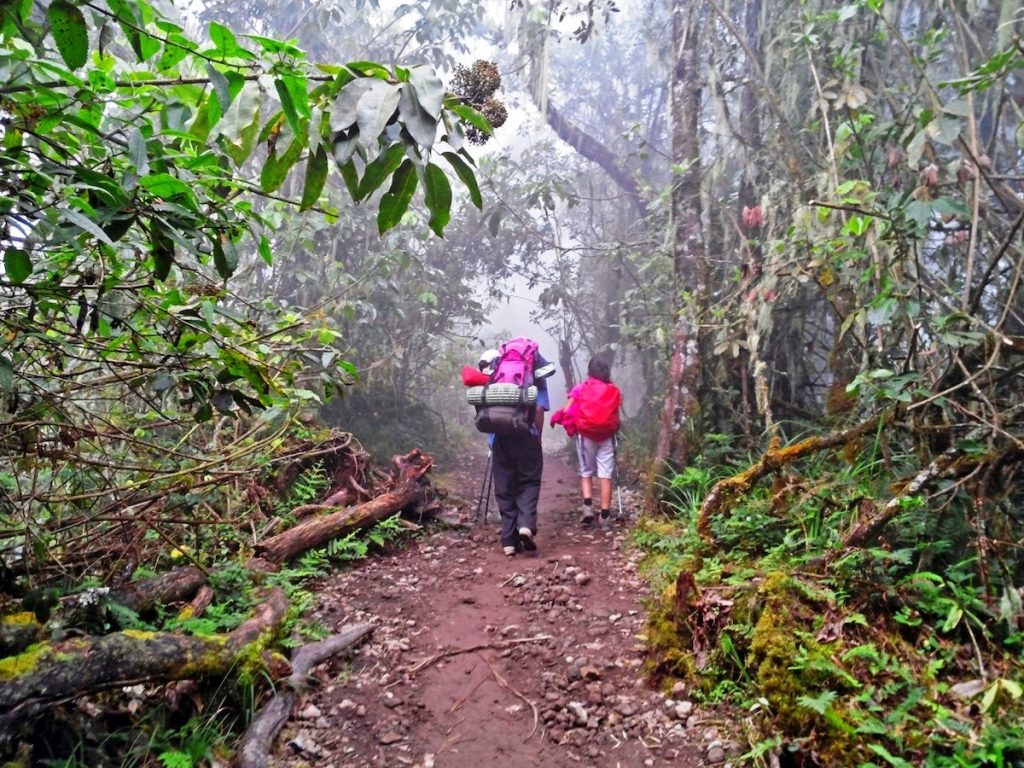
- Cultivated and Rainforest Zones (800–2,800m): Your Kilimanjaro climb starts in farmlands or dense rainforest. Trails are wide, dirt-packed paths, often muddy and slick after rain, especially on steeper slopes. Watch for roots and uneven ground to avoid tripping.
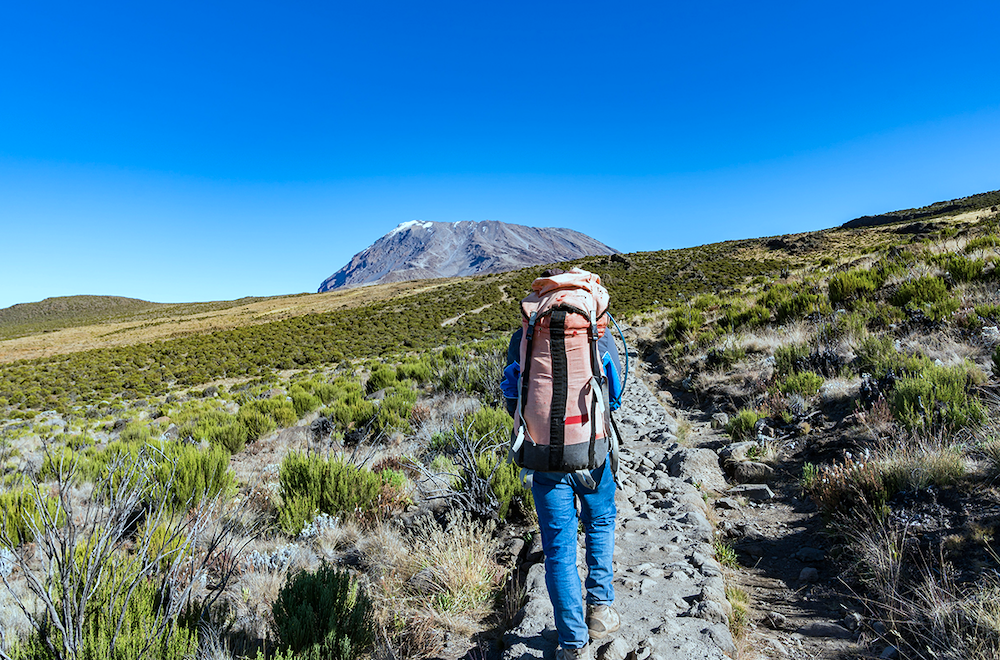
- Heath and Moorland Zone (2,800–4,000m): Vegetation thins into giant heather and moorland. Paths get rockier, with steep steps and loose gravel. Dust becomes a factor in dry conditions, so gear protection is essential.
- Alpine Desert Zone (4,000–5,000m): The landscape turns barren, with rocky, dusty trails and loose scree that can make descents tricky. Winds whip up dust clouds, challenging visibility and comfort during your Kilimanjaro hike.
- Arctic Summit Zone (5,000–5,895m): Near Uhuru Peak, expect volcanic scree and rocky paths, with possible snow or ice, especially on the Western Breach or during colder months. The Barranco Wall (Machame, Lemosho, Umbwe routes) is a 257-meter scramble requiring focus and handholds, but it’s manageable with our guides’ support.
Though not a technical climb, the 4,900-meter elevation gain and 5–8 hours of daily hiking make climbing Mount Kilimanjaro demanding. Fatigue and altitude can turn simple trails into tough challenges, but our 1:2 guide-to-climber ratio ensures you’re supported every step of the way.
Route-Specific Trail Conditions
 Each Kilimanjaro climbing route offers a unique trail experience, influencing your preparation and enjoyment:
- Northern Circuit (9–10 days): Gentle trails with diverse terrain, from muddy rainforest to alpine scree. Less crowded and ideal for those prioritizing acclimatization in their Kilimanjaro climb. Long distances require endurance.
- Rongai (6–7 days): Starting on the drier northern side, trails are gentler with less mud. Dusty alpine sections and rocky summit paths demand sturdy footwear. Great for rainy season Kilimanjaro hikes.
- Machame (6–8 days): Features the Barranco Wall, a steep scramble, plus muddy rainforest paths and loose scree near the summit. A top pick for adventurous Kilimanjaro climbers seeking scenic routes.
- Umbwe (6 days): The steepest route, with intense rainforest inclines and rocky scrambles. Best for experienced hikers, not beginners, due to its challenging terrain.
- Lemosho (7–8 days): Similar to Machame but quieter, with gradual rainforest trails, rocky moorland steps, and scree-heavy summit approaches. Perfect for scenic Kilimanjaro treks.
- Marangu (6 days): Hut-based with smoother dirt paths but less scenic variety. Rainforest sections can be slippery, and summit trails may have ice in colder months.
Our team at Kilimanjaro Climbing helps you choose the best route for your fitness, experience, and goals, ensuring a tailored Kilimanjaro climbing experience.
How Weather Affects Kilimanjaro Trails
Weather on Kilimanjaro can change fast, impacting Kilimanjaro trail conditions and safety. Temperatures swing from 20–30°C at the base to -20°C at the summit with wind chill. Here’s how weather shapes your Mount Kilimanjaro trek:
- Rain and Mud: Afternoon showers, especially in wet seasons (April–May, November), turn rainforest trails into muddy, slippery paths. Steep sections become riskier without proper gear.
- Dust and Wind: In the alpine desert, fine volcanic dust creates hazy conditions, irritating eyes and lungs. Strong winds can reduce visibility, making a buff or bandana essential for climbing Kilimanjaro.
- Snow and Ice: Summit trails may see snow or ice, particularly on the Western Breach or during off-season climbs. Icy rocks increase slip risks, but microspikes (provided if needed) ensure traction.
The dry seasons (January–March, June–October) are ideal for Kilimanjaro climbing, while Rongai suits wet seasons. Our guides monitor weather daily, adjusting plans to keep your Kilimanjaro hike safe and comfortable.
Trail Maintenance and Conservation
KINAPA works tirelessly to maintain Kilimanjaro hiking trails, clearing debris, reinforcing paths, and marking routes for clarity. However, natural wear from thousands of annual climbers and unpredictable weather can create challenges. Kilimanjaro Climbing supports KINAPA’s efforts by adhering to “leave no trace” principles, ensuring all waste is removed and trails remain pristine. By choosing us, you contribute to sustainable Kilimanjaro tourism and the preservation of this UNESCO World Heritage Site.
Overcoming Common Trail Challenges
 Climbing Mount Kilimanjaro presents challenges, but with preparation, they’re manageable:
- Altitude Sickness: Thin air causes headaches, nausea, or fatigue, making trails feel tougher. Solution: Choose longer routes (7–8 days) for acclimatization, hydrate (4–5 liters daily), and follow our guides’ “Pole Pole” (slowly, slowly) pace.
- Barranco Wall: This 257-meter scramble on Machame, Lemosho, and Umbwe requires focus and handholds. Solution: Practice light scrambling pre-climb and rely on our guides for safe navigation.
- Fatigue and Injuries: Long days strain legs, and low energy increases slip risks. Solution: Train for 3–6 months with cardio and strength exercises, eat high-calorie snacks (nuts, energy bars), and rest during breaks.
- Terrain Variability: Muddy rainforest paths, dusty alpine trails, and loose scree challenge footing. Solution: Wear waterproof boots, use gaiters, and rely on trekking poles.
Climbers often find summit night the toughest, battling cold, wind, and scree. With Kilimanjaro Climbing’s expertise, over 90% of our clients reach Uhuru Peak, supported by our dedicated team.
Essential Gear for Kilimanjaro Trail Conditions
The right gear is your shield against Kilimanjaro trail conditions. Kilimanjaro Climbing provides top-notch communal equipment (tents, dining setups), but personal gear is critical:
- Hiking Boots: Waterproof with ankle support and rugged soles for grip on mud, rocks, and scree. Break them in to prevent blisters. Gaiters keep debris out.
- Trekking Poles: Adjustable poles reduce knee strain by up to 20%, aid balance, and ease ascents/descents on uneven trails.
- Protective Accessories: A buff or bandana guards against dust; UV-protective wraparound sunglasses shield eyes; high-SPF (50+) sunscreen prevents burns at altitude.
- Clothing Layers: Moisture-wicking base layer, insulating fleece, waterproof shell, thermal gloves, and a warm hat for summit night.
- Extras: Dust-proof bags for electronics, a headlamp with spare batteries, and a 3-liter hydration system for easy drinking.
Our Kilimanjaro packing list offers route-specific advice for your Kilimanjaro climb.
12 Expert Tips for a Safe and Comfortable Kilimanjaro Climb
Our years of guiding climbing Kilimanjaro inform these practical tips:
- Acclimatize Slowly: Opt for longer routes like Northern Circuit or Lemosho to reduce altitude sickness risks.
- Train Hard: Build endurance with 3–6 months of hiking, stair climbing, and leg workouts (squats, lunges) for your Kilimanjaro hike.
- Hydrate Constantly: Drink 4–5 liters daily to fight altitude effects and stay energized.
- Fuel Up: Eat high-calorie meals and snacks to prevent fatigue-related slips during your Mount Kilimanjaro trek.
- Layer Smart: Use a layering system to stay warm without overheating, avoiding hypothermia.
- Shield Against Elements: Apply sunscreen hourly, wear gaiters, and use a buff for dust and wind protection.
- Lean on Poles: Trekking poles boost stability and reduce joint strain on steep trails.
- Care for Feet: Change socks daily, use blister plasters, and air out feet to avoid discomfort.
- Stay Mentally Strong: Summit night tests resolve—practice mindfulness to stay focused.
- Monitor Weather: Pack for rain, wind, and cold; our guides provide real-time updates.
- Trust Your Guides: Our 1:2 guide ratio ensures personalized support—share any concerns immediately.
- Plan Early: Start training and gear prep 6–12 months out for the best Kilimanjaro climbing preparation.
FAQ: Climbing Kilimanjaro Trail Conditions
Q: Is climbing Kilimanjaro suitable for beginners?
A: Absolutely! Climbing Mount Kilimanjaro is non-technical and beginner-friendly with proper training. Routes like Rongai and Marangu are gentler, and our guides ensure a safe Kilimanjaro climb.
Q: How challenging is the Barranco Wall?
A: It’s a 257-meter scramble requiring focus, but our guides make it manageable for all fitness levels.
Q: What’s the toughest part of a Kilimanjaro climb?
A: Summit night, with cold, wind, and scree, is the hardest. Our team prepares you for success.
Q: Do I need crampons for Kilimanjaro hiking?
A: Rarely, only for icy conditions on the Western Breach. We provide microspikes if needed.
Q: How do I handle muddy trails on my Kilimanjaro trek?
A: Wear waterproof boots with grip, use gaiters, and rely on poles for stability.
Why Choose Kilimanjaro Climbing for Your Mount Kilimanjaro Trek?
With Kilimanjaro Climbing, your Kilimanjaro climb is backed by competitive Kilimanjaro climbing prices, exclusive tour operator rates, and a commitment to safety and sustainability. Our high-quality equipment, expert guides, and ethical crew practices ensure a memorable Kilimanjaro hiking experience. With a 90%+ summit success rate, we’re your trusted partner for reaching Uhuru Peak. Ready to take on climbing Kilimanjaro? Book now at kilimanjaroclimbing.com or contact us to customize your Mount Kilimanjaro trek. Let’s make your summit dream a reality!